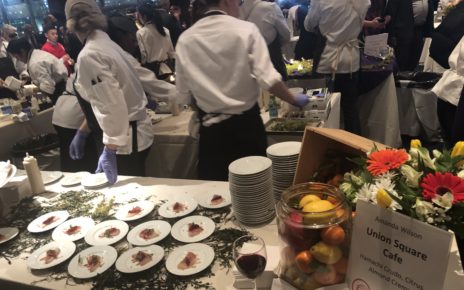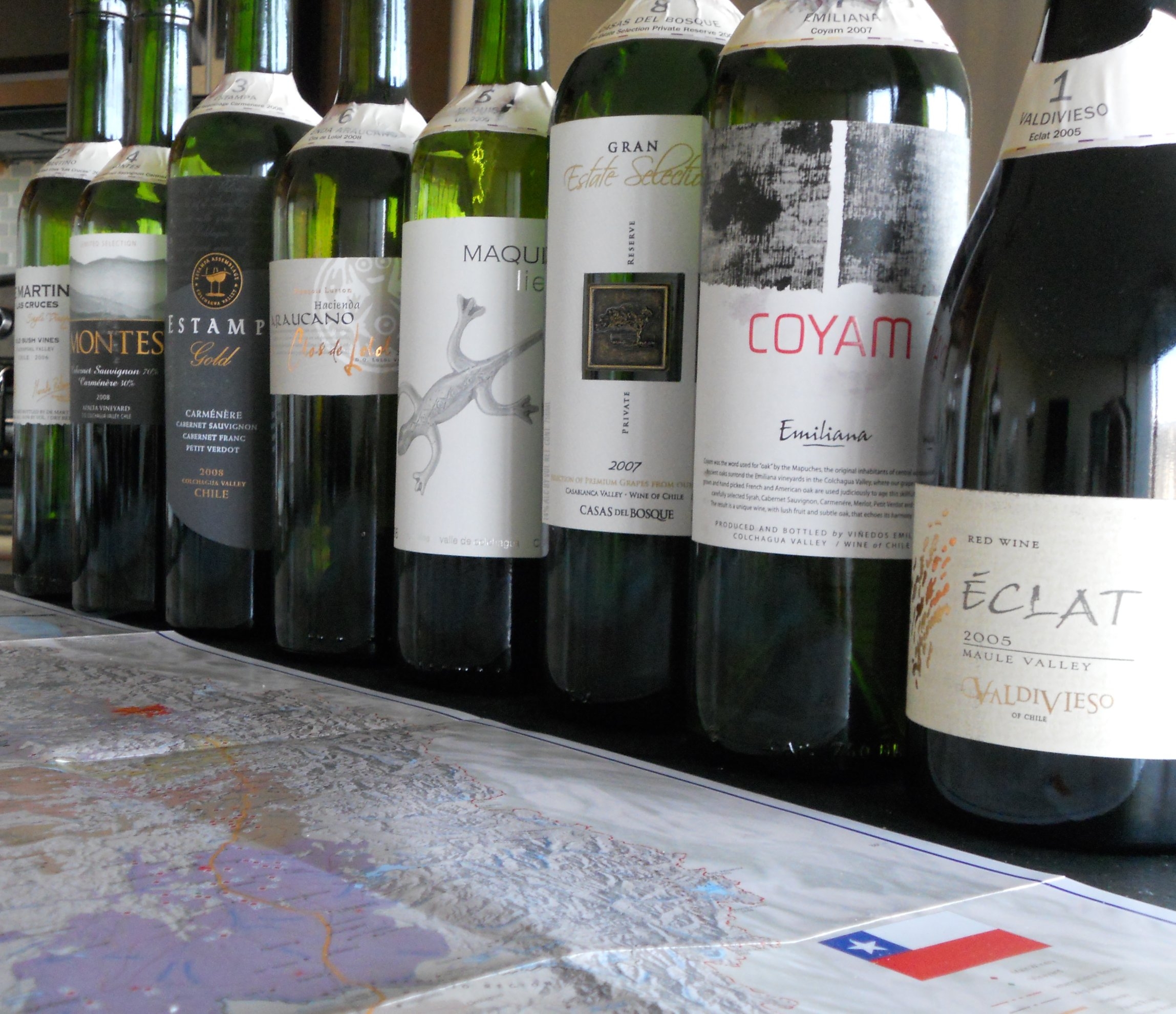
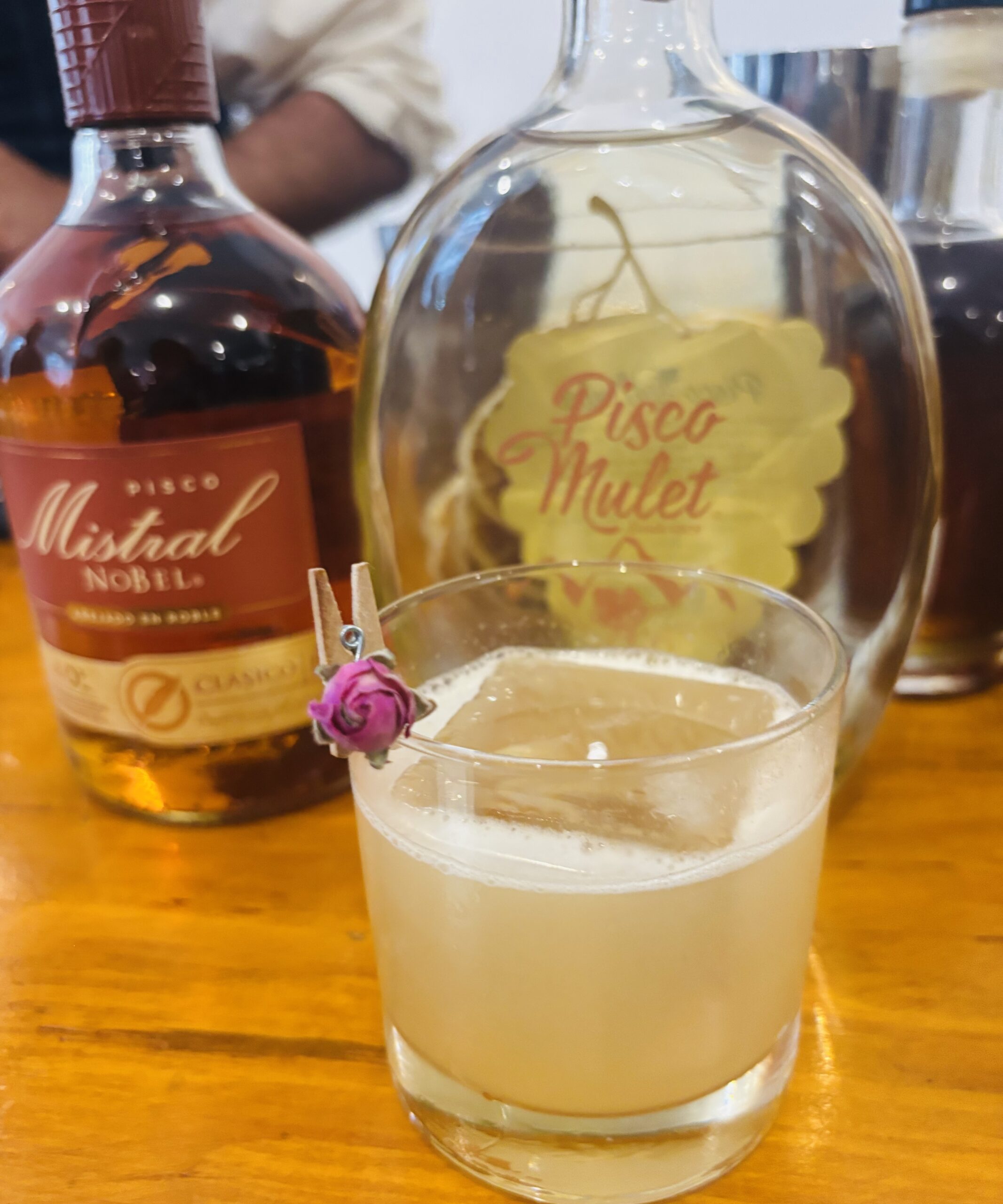
Two weeks ago, we were blessed enough to travel to South America via wine palate. The largest exhibition of South American wines ever held in New York, it was organized by Patricio Tapia, founder of Descorchados, the ‘panoramic’ wine guide comparable to our “Wine Spectator” or Robert Parker; it is known for capturing the pulse of the South American wine scene. Launched in Chile in 1999, Descorchados documents the “progress of eternal classics while also making note of the latest trends, emerging regions, and up-and-coming producers.” It rendered over 180 wines from 80 wineries, and 75+ connoisseurs accessible this fateful day.
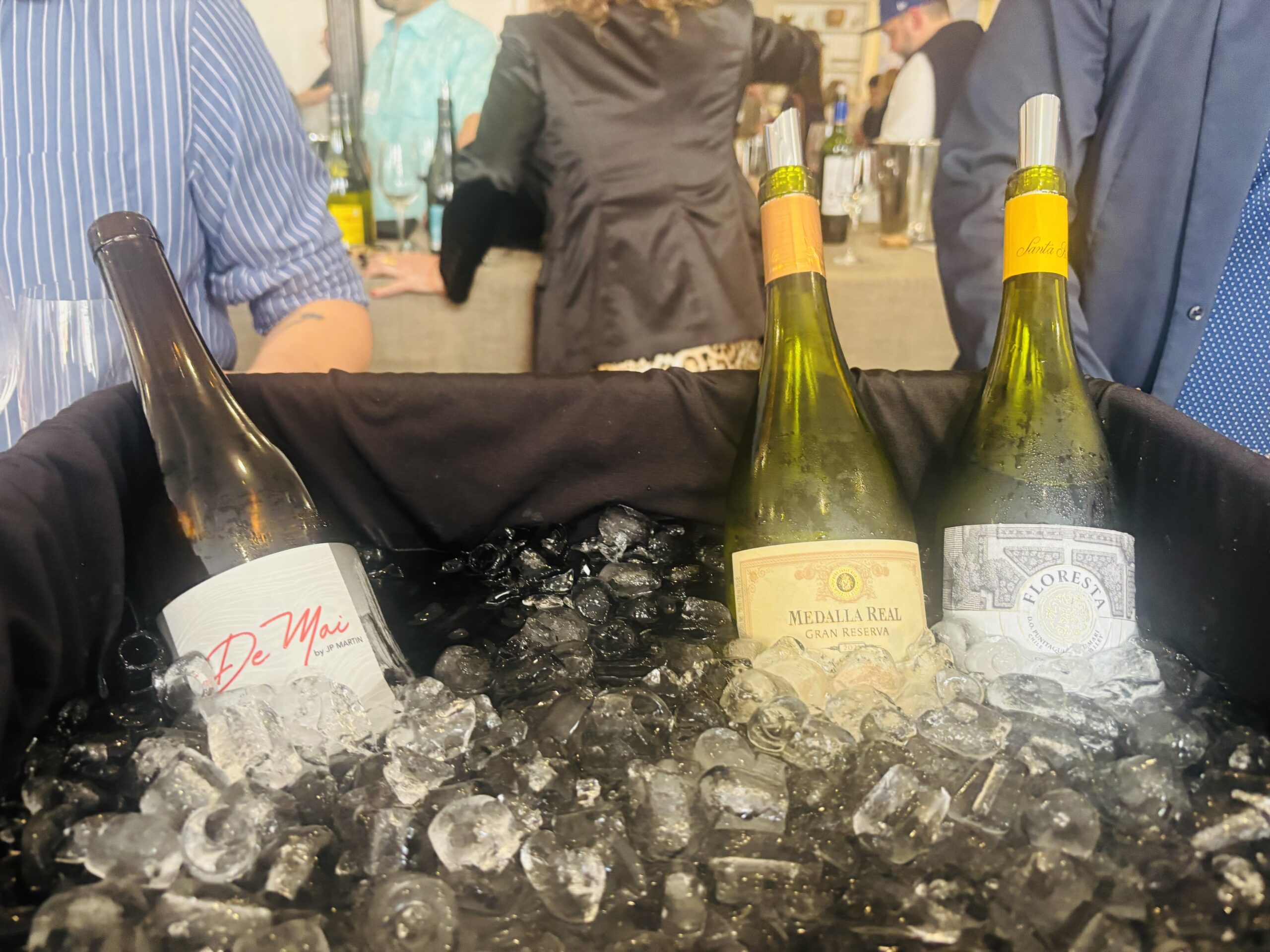
I had the pleasure of traversing terrains or “terroir” (climate + soil) via grape fractals (i.e. wine) derived from Argentina, Chile, Brazil, Uruguay, Peru, Bolivia -six major Wine producing countries in South America. Highlighting the distinctive terroir alongside innovation arising thanks to pioneering producers and risk-taking vineyards, amazing reps and spokespeople during the Descorchados tasting illuminated the 1. Importance of terroir and 2. Human processing techniques. As usual, more layers get unpeeled off that endless vine-Wine onion of a fractal, only to reveal new truths. For the sake of space and time, this article will focus on South American Wine as a whole, as well as on the top two wine producing nations: Argentina and Chile.

Equipped with chameleon profiles, grapes take on different flavors based on the natural environment and context of human production. They lack the inherent poignant aromas of citrus fruits, pear, and pineapple, hereby rendering terroir or la terre– ‘earth’ or ‘soil’ in French, ever so crucial to their evolution. Terroir denotes both the story and mineral origin of a viticulture concoction. Environmentally speaking, are the wines grown near mountains, sea or both? At what altitude? Do they flourish amid layers of limestone, varietal rocks or sand? Is there a lake nearby? Does sunlight hit from a southern or northern angle?
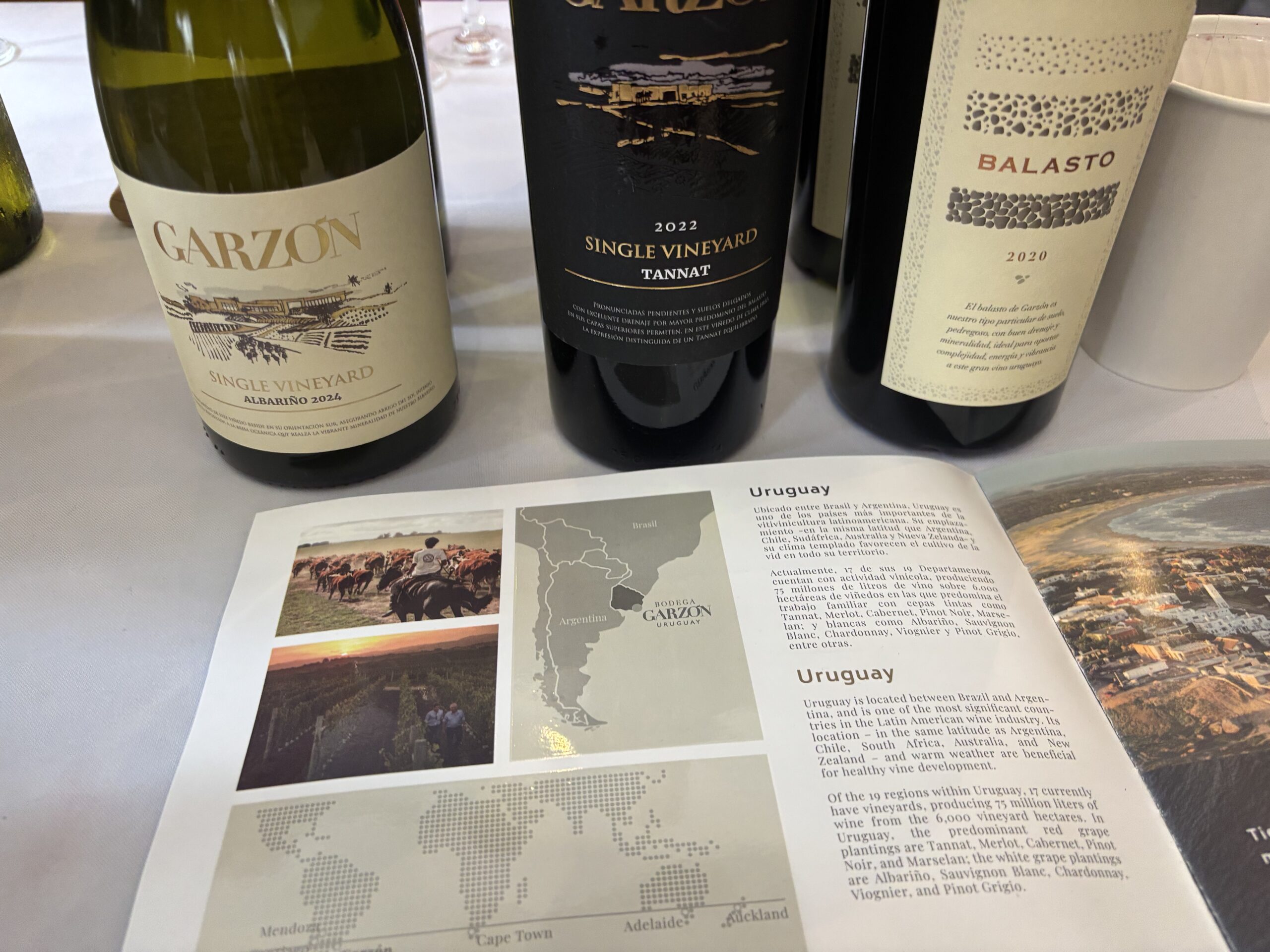
In terms of terroir, South America, unlike France or Italy, is renowned for its high elevation mountain ranges marked by the Andes and Aconcagua peaks and valleys. 99% of wines produced here are produced at 5200 feet to 9800 feet. Thanks to its vast array of microclimates as well, wines develop distinctly—telling the story of the unique terrain from which they grow. They derive their distinct signatures through earth, or soil; because every terrain is so particular, their identities are predefined by nature. Blended from both native grapes and those brought in by early European settlers, wines tell complex stories and rooted in both terroir and human hands.
Meanwhile, in terms of human production, growers plant wines at different densities, while employing different viticulture techniques and oak treatments: Are they using larger or smaller tanks or oak vats? What are the local customs particular to that region? To what extent have those traditions been made into local regulations defined by old practices to ensure consistency?
In terms of human production, South American wines were produced for domestic production up until last decade. Primarily controlled by state run wineries, which went bankrupt in 1989, old wine making families would step in. Consequently, since the early 1990’s, the emphasis on production shifted from quantity to quality.
____________________________
ARGENTINA 🇦🇷
First we arrive to Argentina: South America’s largest producer of wine.
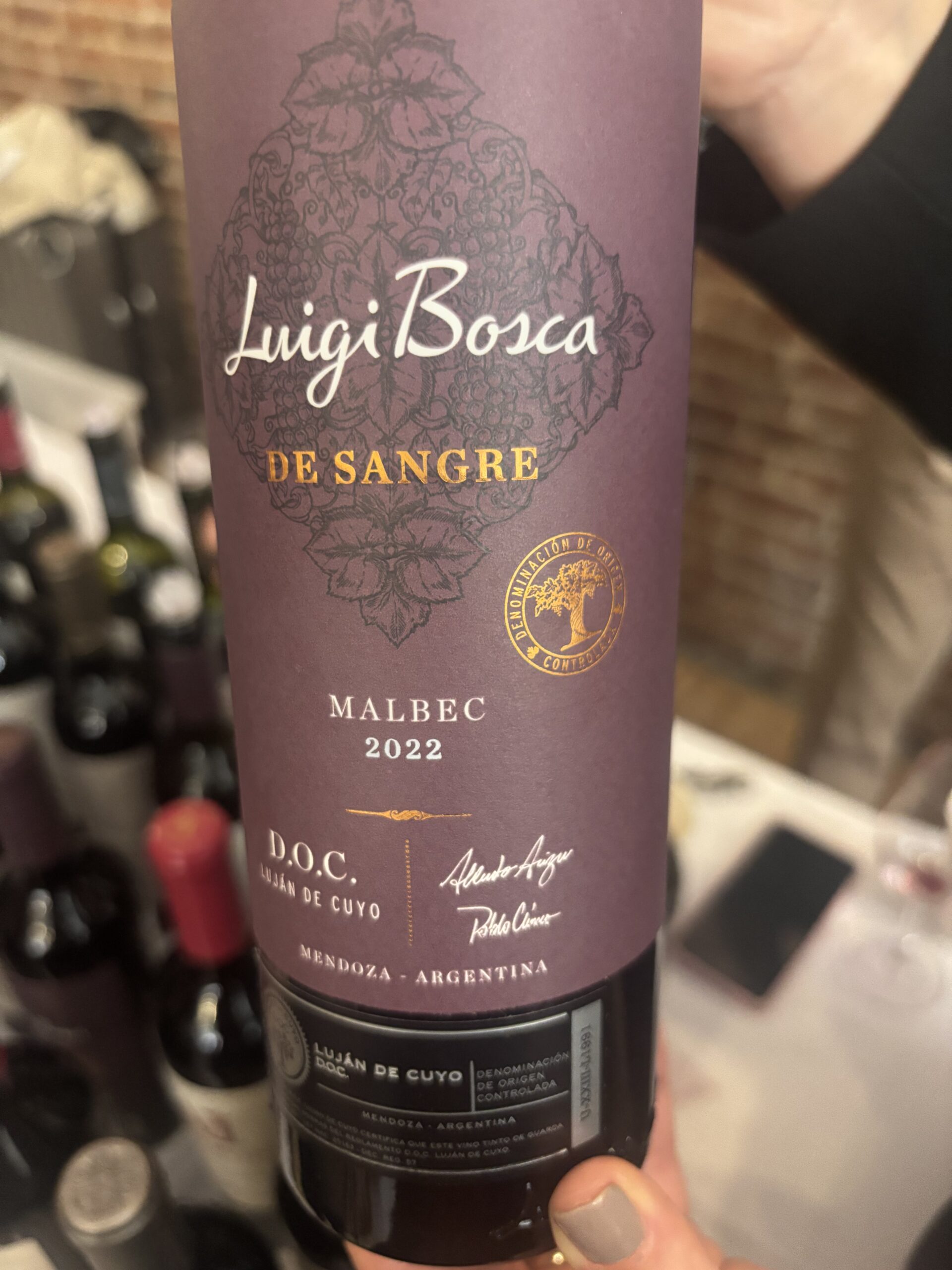
Consisting of four main regions further subdivided in 12 wine regions, 95% of Argentinian wine come from the Lujan de Cuya region of 600-4500 ft. altitude. Mendoza, set in the central west main of this region, produces the yummiest reds. Vines are situated in extreme sunlight, at the foothills of the Andes mountains, rendering tannins a smoother ripening. A representative from Luigi Bosca family winery, one of the oldest in Mendoza, proclaimed: “You can feel the sun in the wine,” with reference to their signature Malbec 2021 . A deep colored and robust flavor, it enunciates Mendoza’s high altitudes—equipped with cool nights and warmer days. Epitomizing thermal amplitude, or “diurnal temperature variation” designating base range maximum and minimum temperatures within a day at a given location, the wines here arrive with ripe full body, and softer tannins. Bequeathed with rich notes of blackberry plum and chocolate, they pair especially well with hearty dishes, lamb, and spice.
In terms of whites, Torrontés is Argentina’s most famed dry and refreshing native wine. We sampled the Colomé Estate Torrontés 2024 from the Upper Calchaqui Valley of Salata, Argentina, and were beyond impressed. Harvested from the flagship Torrontés grape in vineyards 5500-7500 feet above sea level, it remains elegantly round, rich bodied. Floral with smooth texture and mild acidity, notes of peach, apricot and geranium abound, due to mysterious soil minerals inexplicably matched with subtle shifts in sunlight, wind, and temp. Wines are indeed fractals—whose exact formulas could hardly ever be adequately deciphered… perhaps only through paintbrush strokes.
_______________________________________
CHILE 🇨🇱
Now we arrive to Chile: South America’s 2nd largest producer of wine, mostly reds (73%).
“Featuring a wide range of grape varietals and wine styles, there’s something for everyone here”.
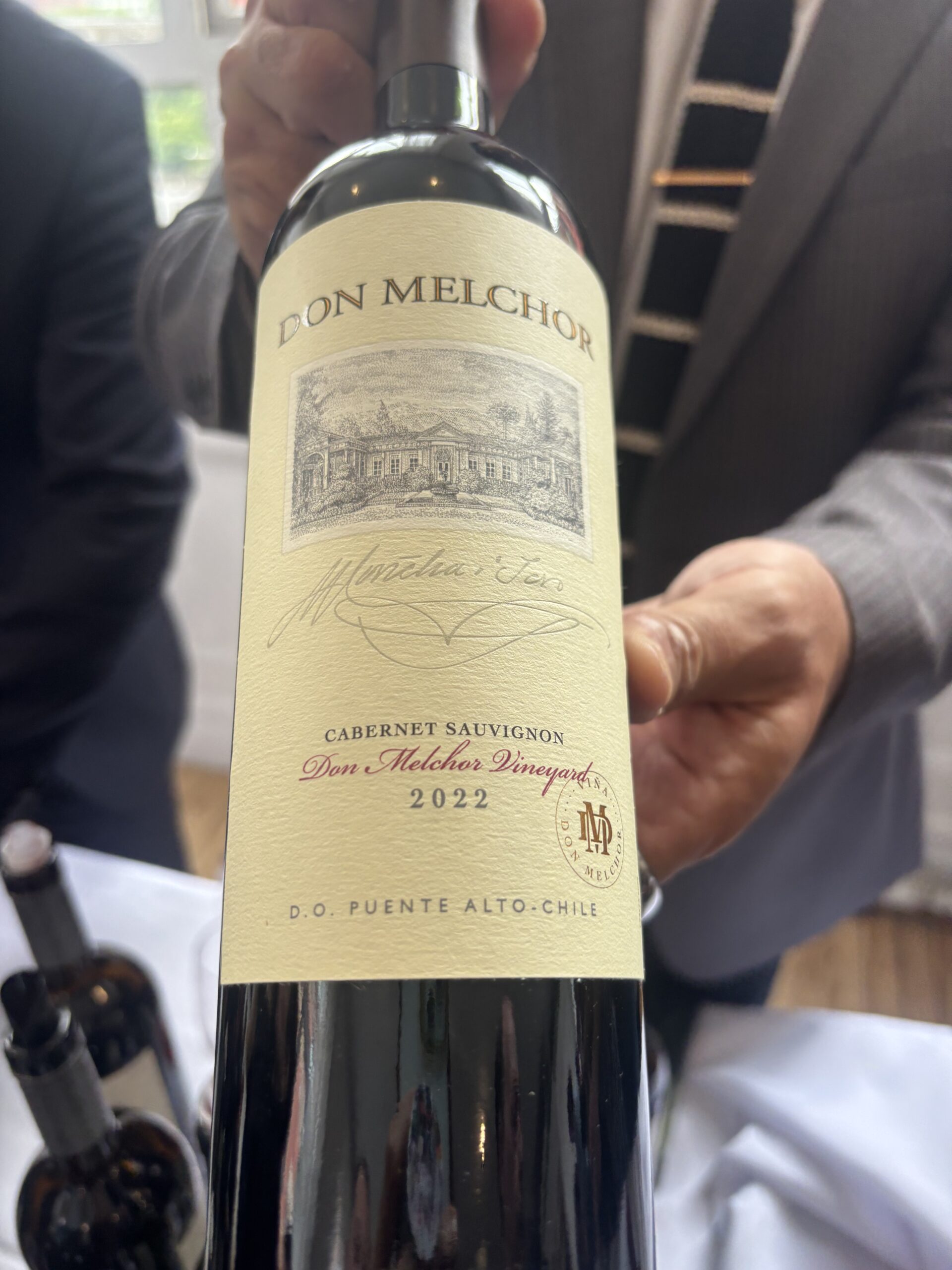
Chile possesses six main wine regions, each with its own growing zone suited for certain grapes—the 1. Breezy coastal regions yield quality whites wines, while the 2. Toasty inland valleys and 3. Exposed mountainous spheres produce structured yet soft and supple Bordeaux blends, like Cabernet Sauvignon and Syrah. The Don Melchor, Cabernet Sauvignon 2022, with its dark berry notes and floral depth and aroma was especially noteworthy. After all, the high elevations of the latter inspire grape skins to thicken and to ripen more slowly; this facilitates wine structure (tannin and acidity).
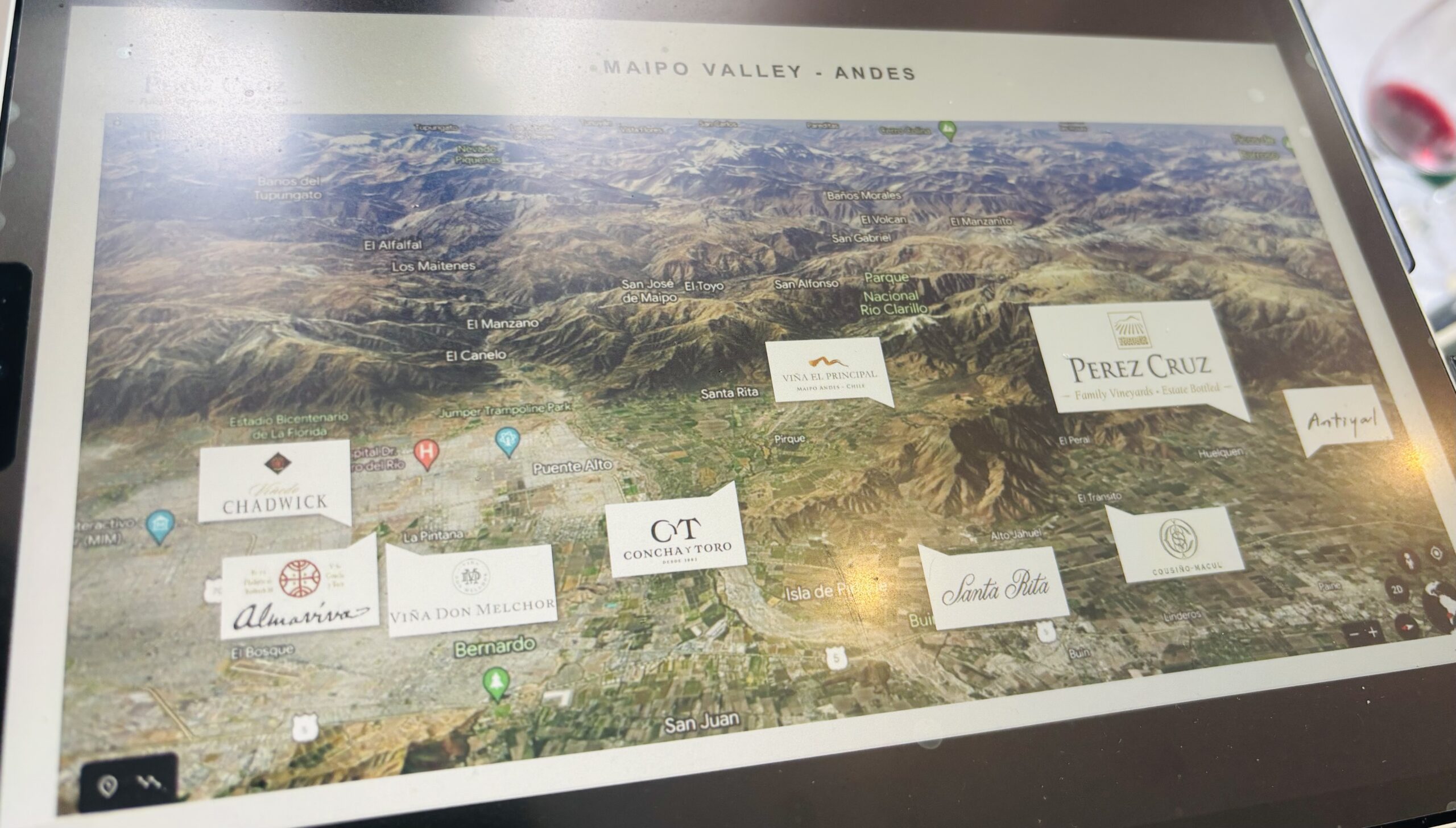
“It all depends on how vineyards are situated next to the coastline. Alot of elevation makes a big difference because of the sunlight reflecting…hence the high-quality Cabs and Syrahs. If you have hillside next to coastline, the sunlight goes right into your grapevine.”
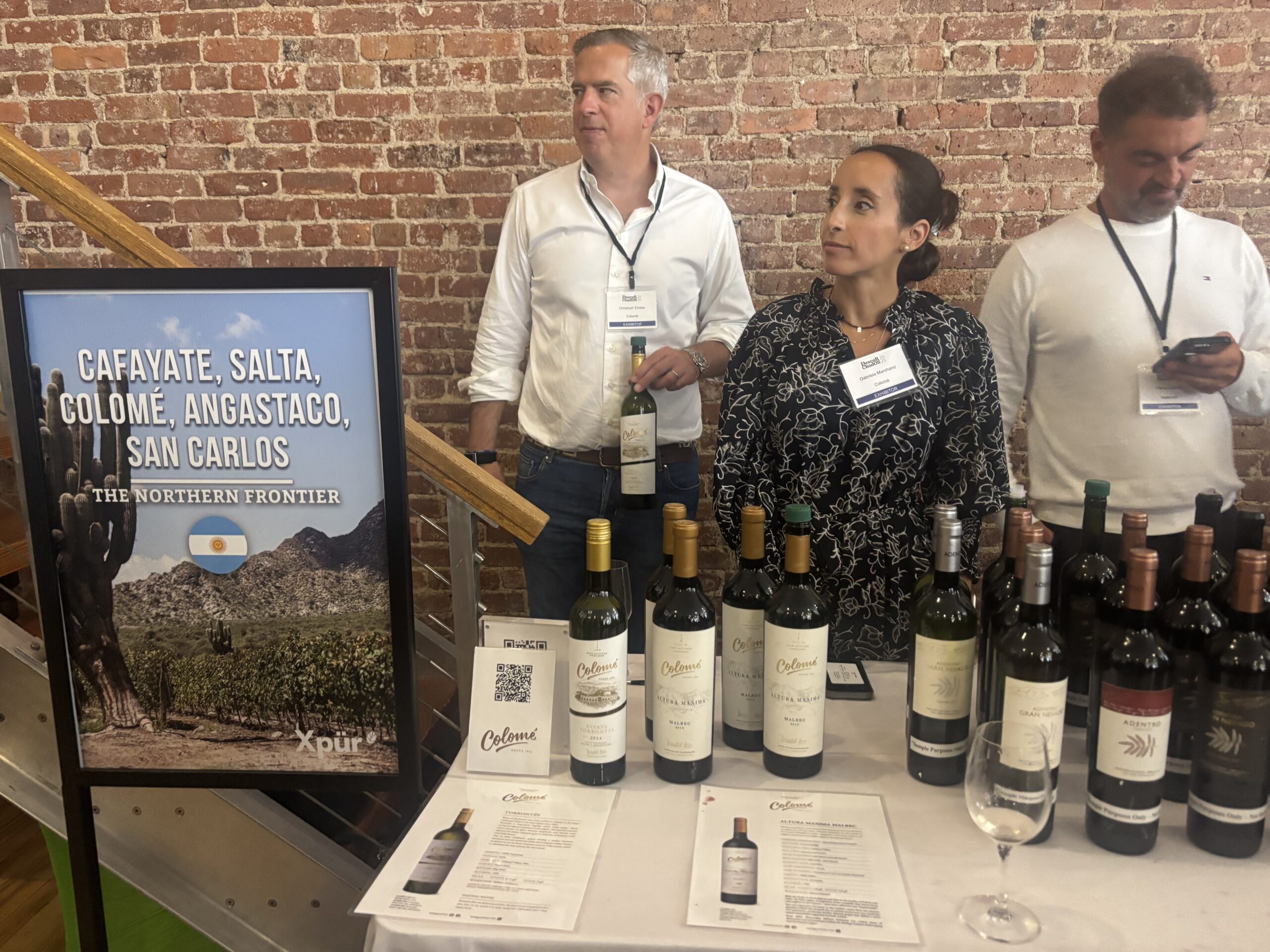
A narrow strip of evenly dry and warm land, Chile is nestled between the Pacific Ocean and the Andes Mountains, the longest mountain range in the world. Cool air gets sucked inland due to this combination, devising the Humboldt Current, or what’s been called an ‘air conditioner effect’. It is a massive oceanic cooling effect that draws in breeze and fog early day—evoking vibrancy and character in the grapes, especially in consideration of the soil too: Terroir. When the fog dissipates, direct sunlight hits suddenly evoking thermal amplitude discussed a-plenty in Argentina. Temperatures span 56 degrees Fahrenheit amid the Andes peaks and valleys. It’s no coincidence the largest earthquake ever recorded (with a 9.5 magnitude) transpired here: The Valdivian Earthquake.
“In the Central valley closer to Santiago in the north part, it’s a little hillier with more natural elevation all over the place. The farther south is little bit more lowland, and as you go into the east and into the Andes—all north and south— you get the high-end cabernets and Syrah’s that rely on elevation.”
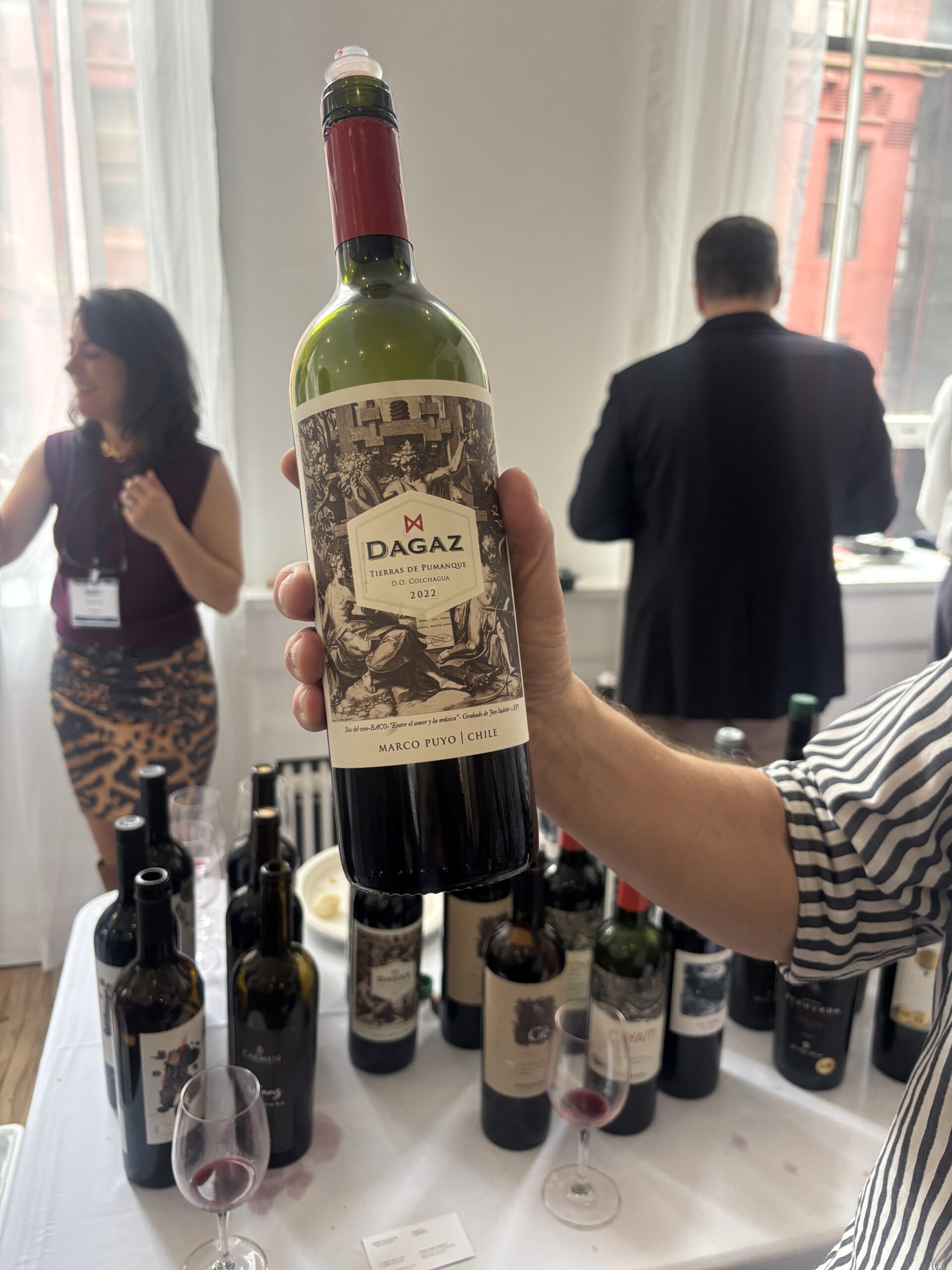
Rich full-bodied cabs like DAGAZ Tierras De Pumanque,Terrunyo Cab 2022, and Apartado Gran Cab 2020 express notes of black currant and spice that pair exquisitely with lamb, roasted veggies and spicey tomato recipes. I especially enjoyed the Escudo Rojo from central valley… spicey yet ever so fruity and complex.
Not only are Chilean wines known for this AC effect and drastic elevation, but for the limestone and volcanic influences as well. Metamorphic rock formations spanning endless geologic periods—soil that has been compacted for millions of years—produces delightful Chardonnay and Syrah blends. Most notable was the Viña San Pedro Kankana del Elqui Syrah whose depth and thickness imbued saffron, warm berry and oregano.
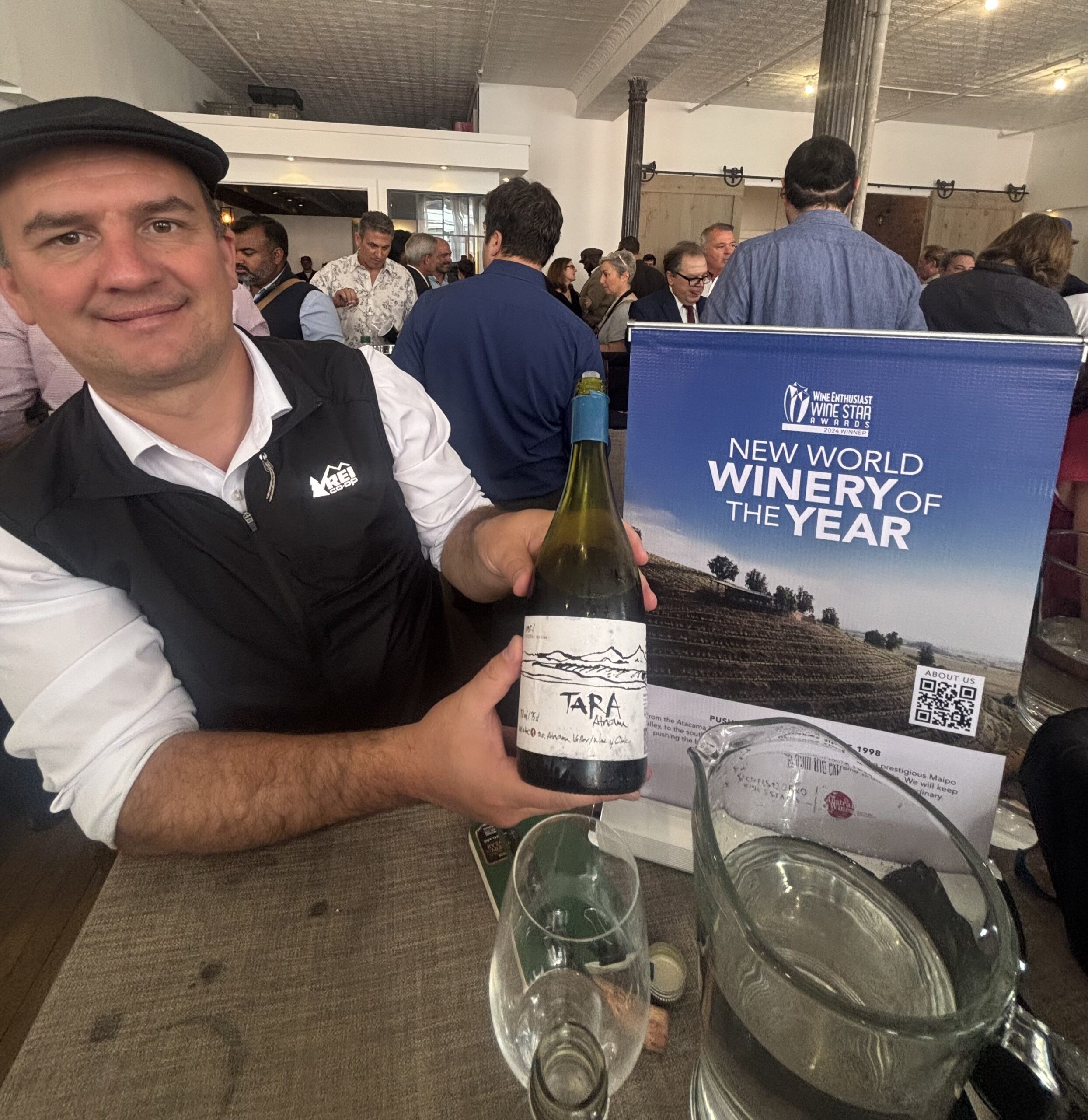
Igneous rock forms from volcanoes, especially present in the southernmost Atacama Desert, especially known for its limestone deposits, which infuse ‘minerality’ and ‘vibrant acidity’. I tasted the Tara Atacama Red Wine and immediately relished the subtle balance of herbs deepened with berries.
Human production and intervention of course are essential to calibrating terroir and imported grape varietals. It takes centuries of trial and error to achieve the optimal drinking experience. For instance, the Viejas Tinajas Cinsault is made from “old dry-farmed, bush-vine” Cinsault grapes (originating from the South of France) that are intentionally planted in granite rich soil; upon harvest, they are destemmed and aged in ancient clay terracotta vats, reminiscent of the first 16th century Itata vineyard.
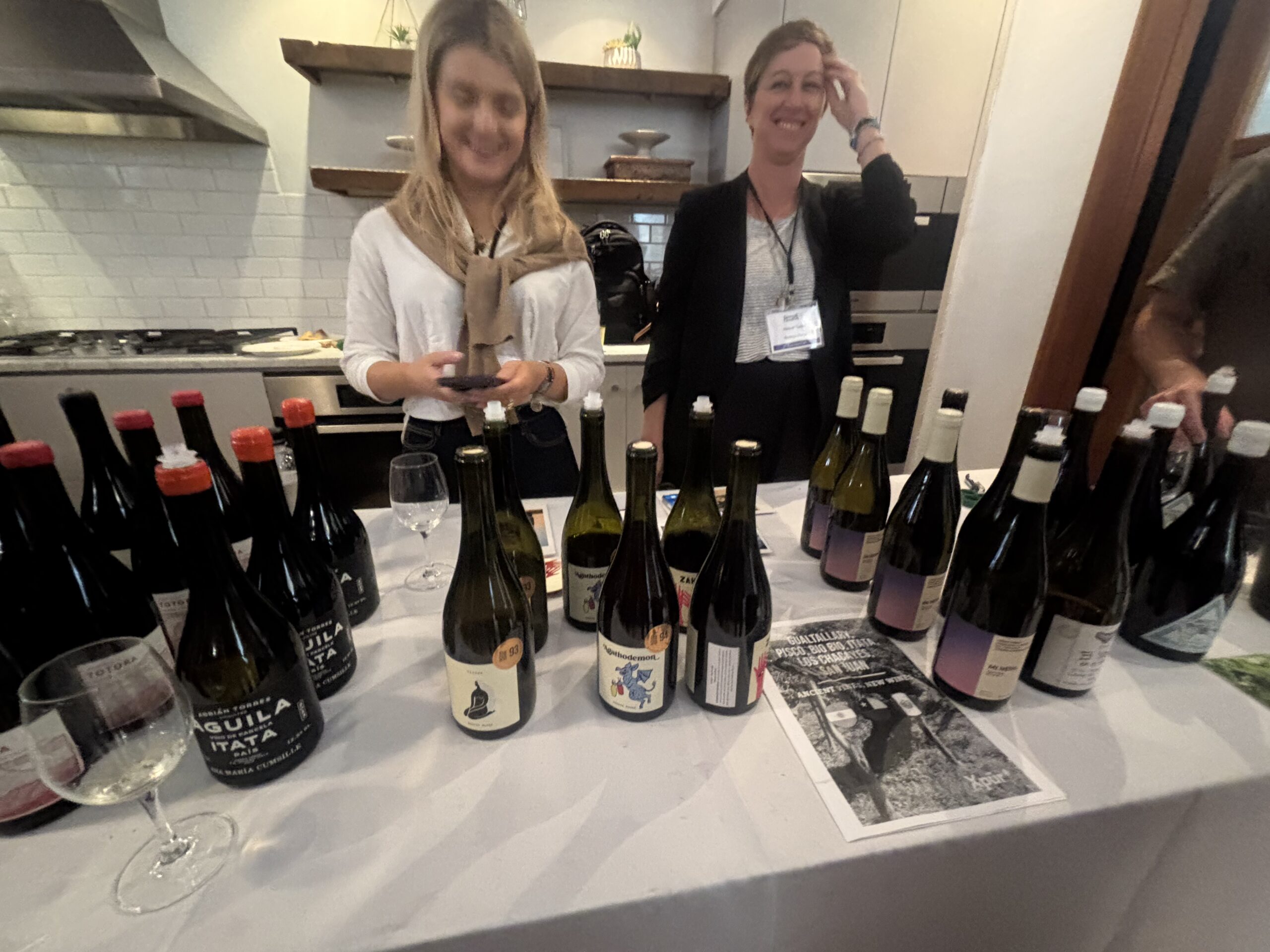
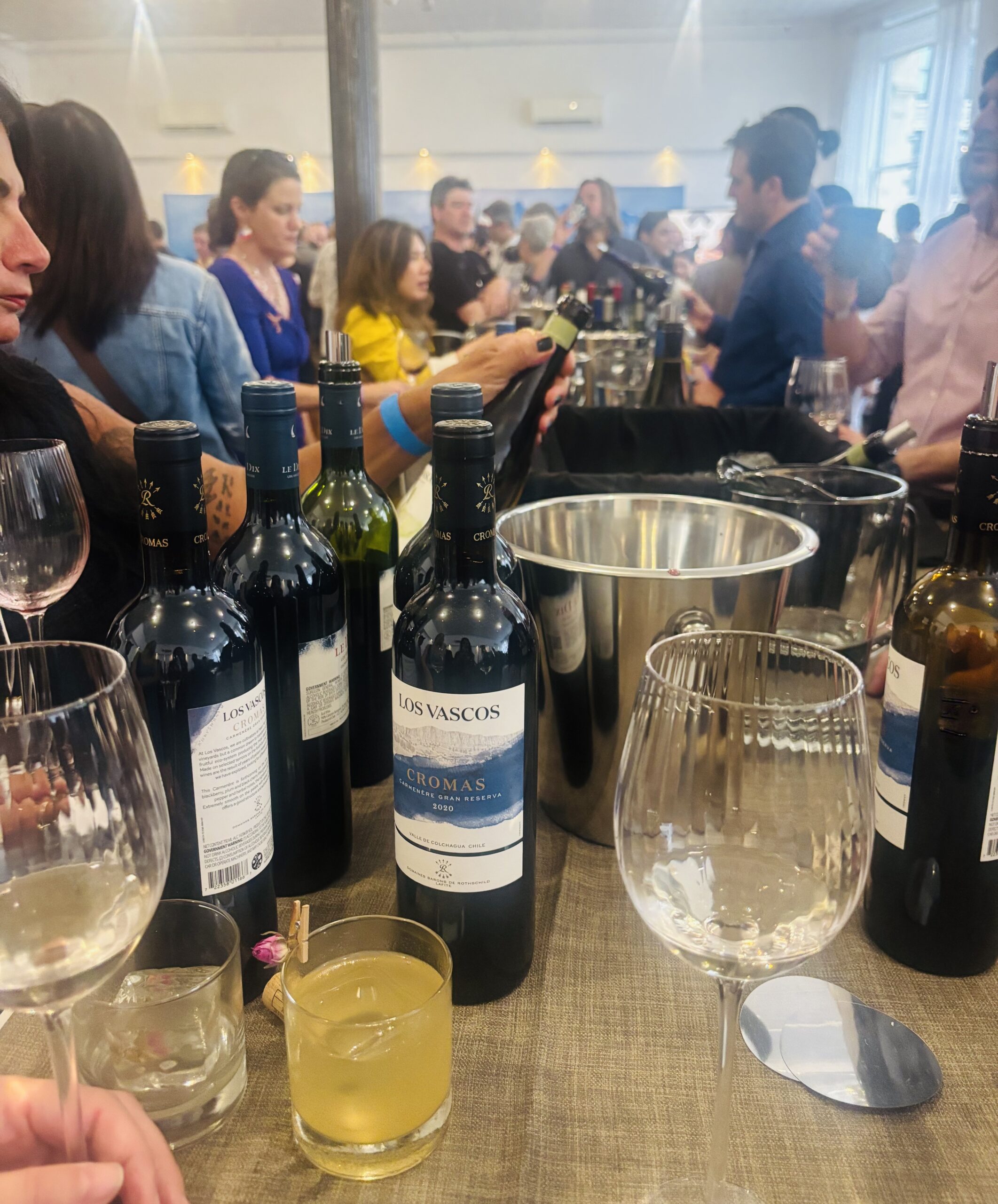
Furthermore, Carménère is a special revived variety of Bordeaux special to Chile now-a-days. The Cromas Gran Reserva Carmenère from the Colchagua Valley (2020) was especially herbaceous with notes of rosemary, jalapeno and green pepper. Oenologists strive to render this Bordeaux transplant extra leathery and jammy via extended maceration and oak aging. Imported by the French in the 1800’s, it is nearly extinct in France today, despite its being one of the most important grapes in Chile.
The 7th largest world producer, Chile has recently transformed significantly in terms of human intervention. Specifically, most vineyards are replanted every 15 years to yield higher vine density, and drip irrigation systems have been installed. Drip irrigation practices have also generally led to remarkable ungrafted wines now celebrated internationally for accurately representing Chilean terroir.
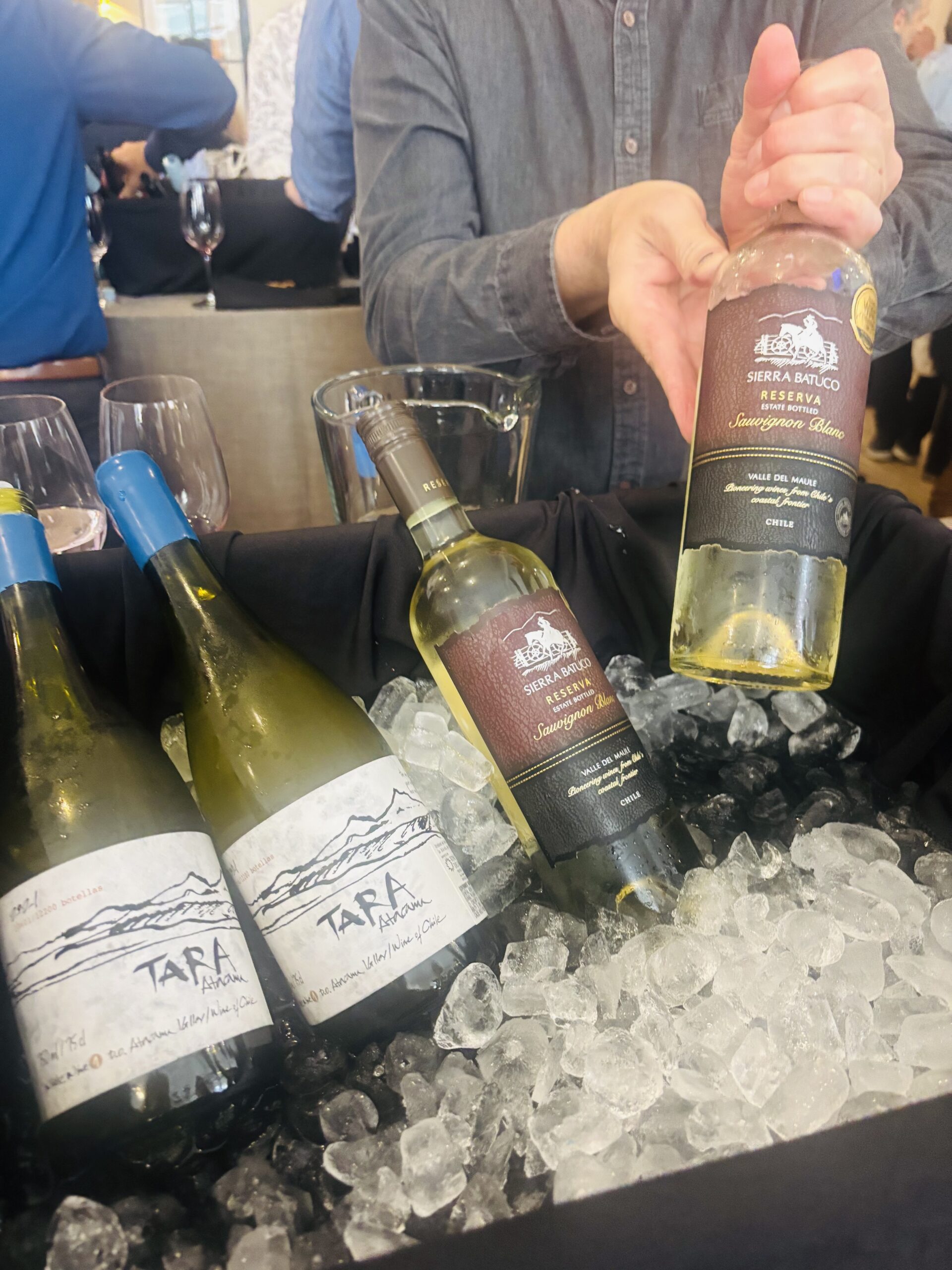
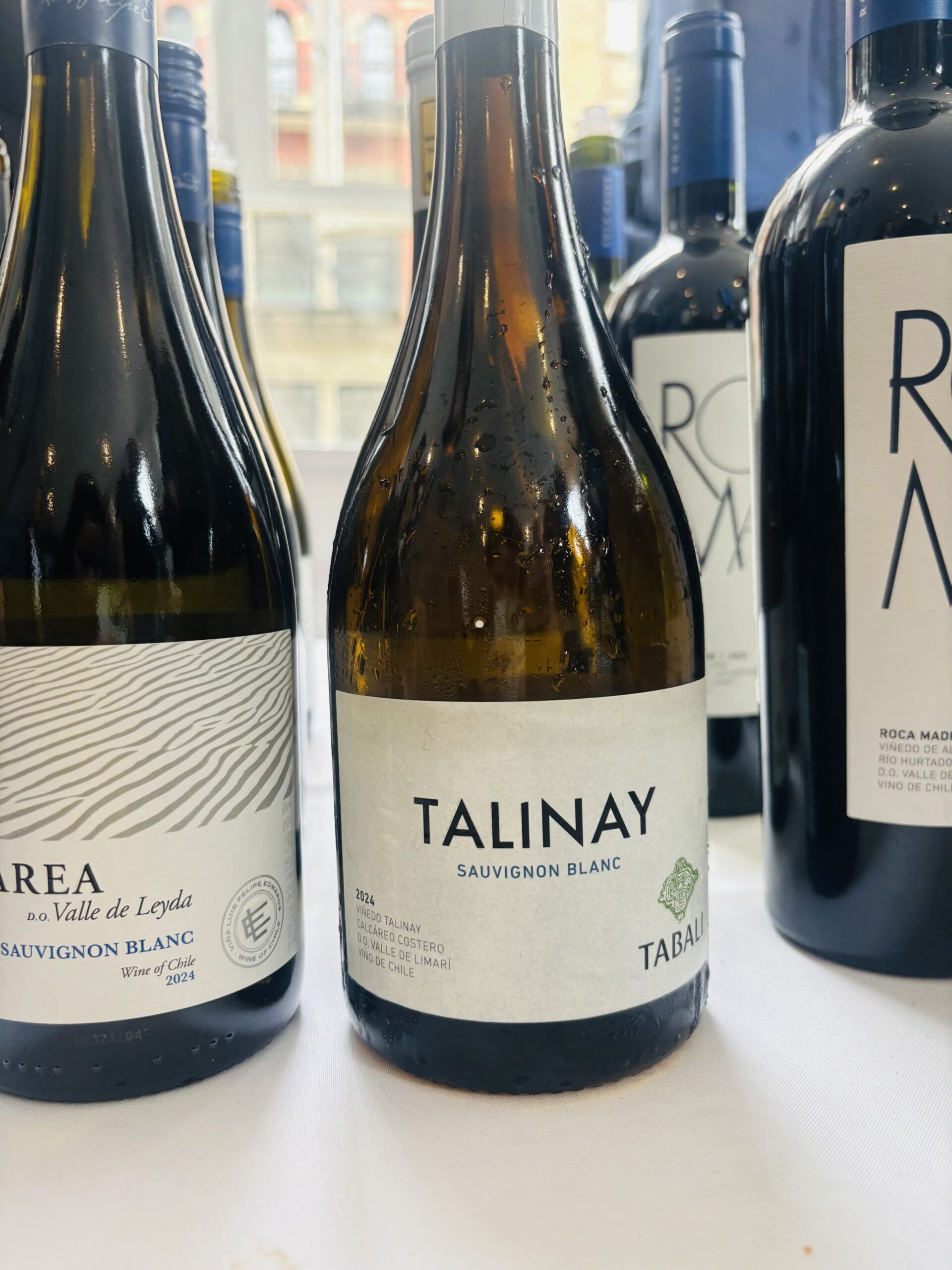
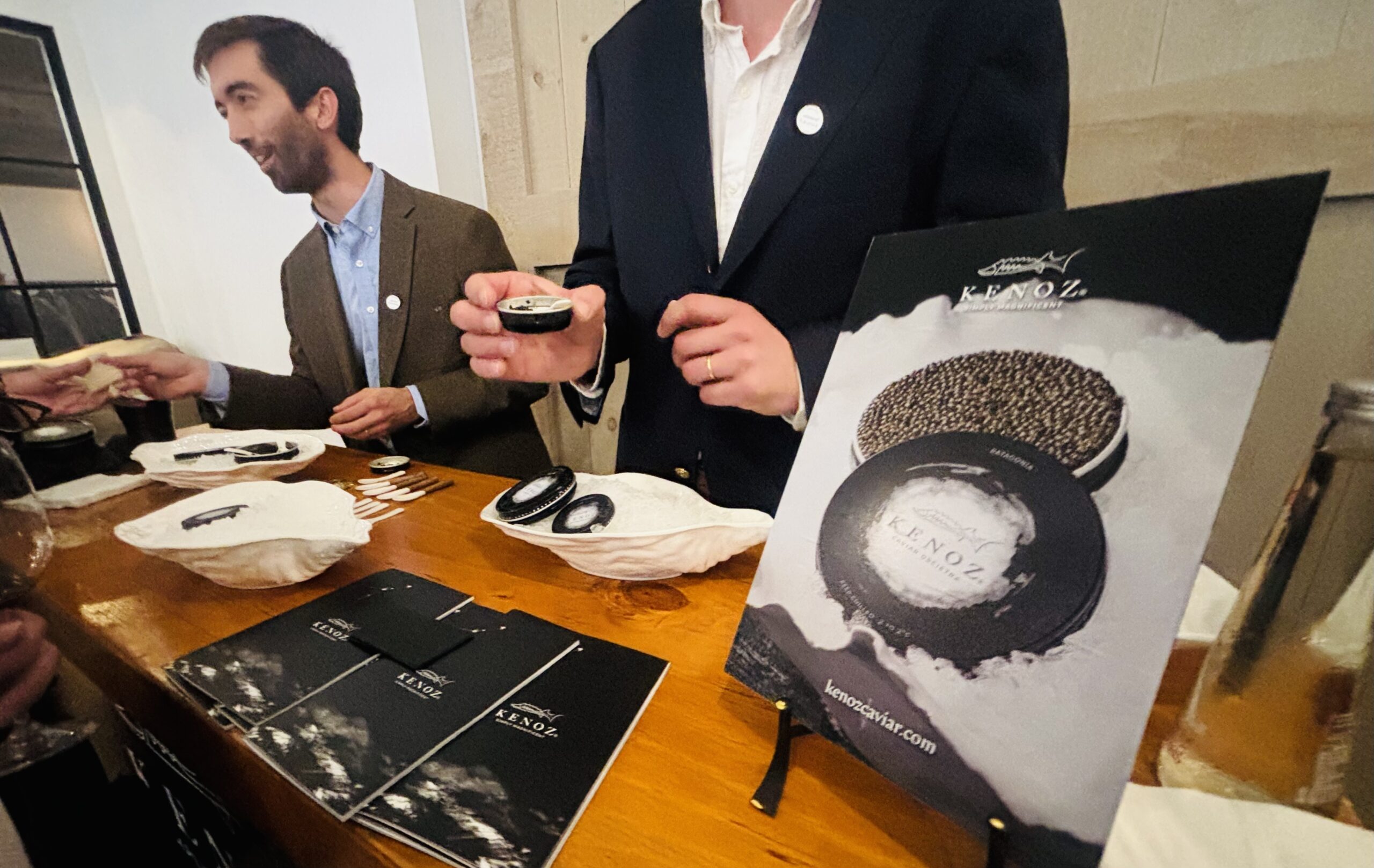
With respect to Chilean white wines (26%), I was particularly awestruck by the lingering taste of chili pepper. A representative of the Sierra Batuco Reserva Sauvignon Blanc representative attributes this to the coastal climate. In other words, the closer you are to the Pacific Ocean in Chile, the chilier in flavor it becomes. My favorite was the Talinay Sauvignon Blanc, whose light crisp acidity renders it the ideal accompaniment to salads and seafood; it’s void of that stark grapefruit twang often finishing the New Zealand whites. Finally, let’s not forget how gloriously it paired with Kenoz Caviar, the very first Chilean caviar produced in the southernmost tip of Patagonia; specializing in sustainable Beluga and Oscietra sturgeon harvest and development practices, I relished its buttery brininess– reminiscent of the fresh cold currents of Cape Horn where the Atlantic meets the Pacific.