The 8-hour consolidated block is the anomaly that is only 5 generations old. It remains far from encoded in our DNA. For generations people slept flexibly, which is innately better for us.
Evolutionarily-speaking, we used to sleep more in trees—than on land, due to less unconscious threats. Good sleep is about feeling safe and efficiency, not lengths. We sleep more in REM; you can hereby sleep less yet rest deeper. Quality prioritizes depth to duration, which is the very evolutionary tradeoff that shaped sleep architecture of the past.
Heretofore, we can certainly operate just as optimally on 4 hours in one segment, and a few hours nap later, right?
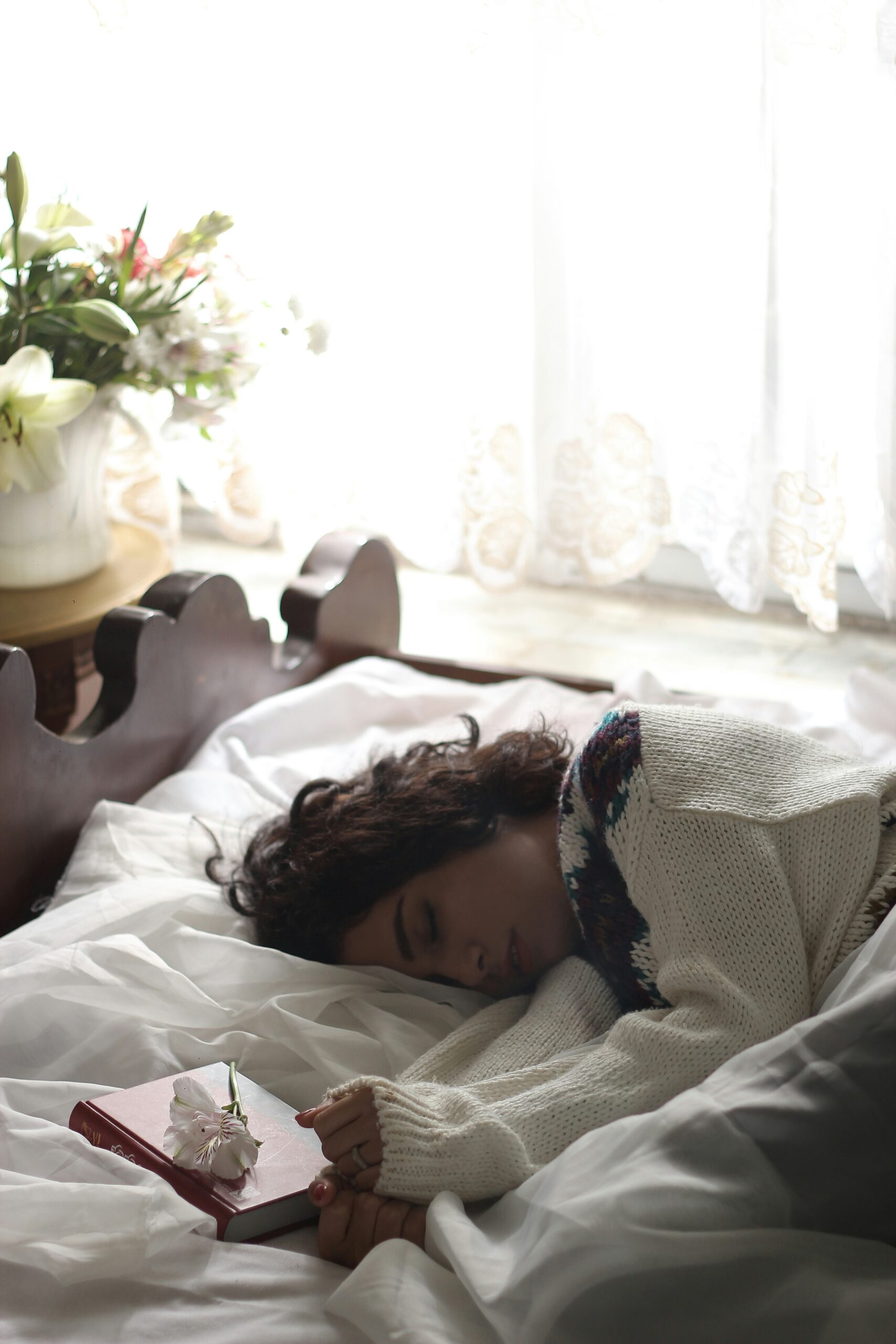
1. How We Always Slept: Biphasic Model
For 300,000 years people slept differently. Up until 150 years ago, TIME was designed by sunrise, sunset, the phases of moon and rhythm of seasons. Sleep was once astonishingly variable and flexible.
People didn’t sleep straight through 8 hours. They stayed awake 3-4 hours in middle of the night: an interval known as THE WATCH.
With no artificial light present, humans slept an average of 6.4 hours daily. Longer winter sleep spans offset the shorter summer ones because of temperature. Humans regulated schedules through thermal cues: BIPHASIC Model. People used to sleep in two distinct biphasic periods distributed in a way that accounts for biology and environmental reality (heat). Segmented sleep matched constraints of season and human physiology…working with body signal not against them.
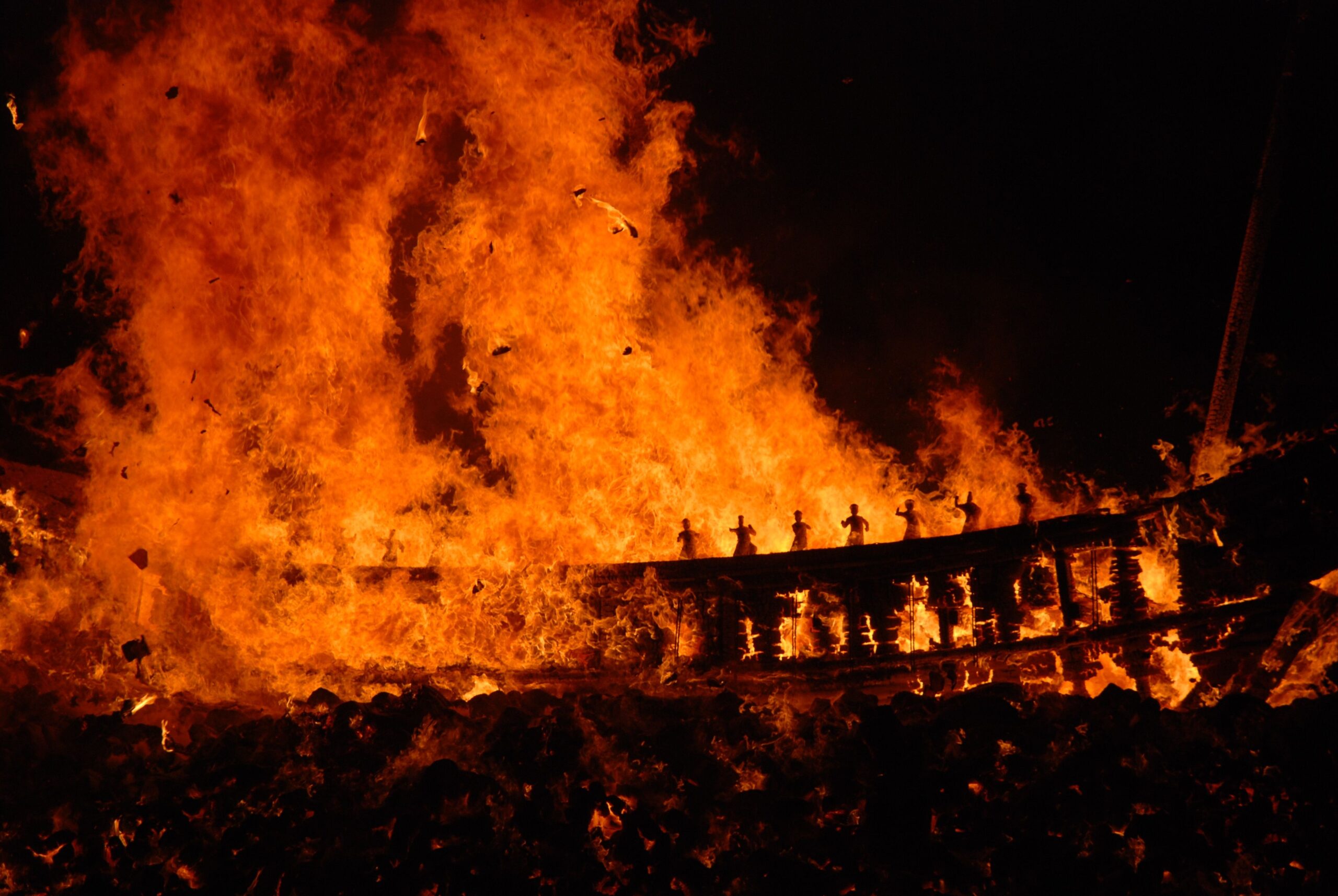
Variability equated survival—someone was always watching for fire, or predators.
For centuries, sleeping 8 hours straight was biological risk. It was imperative to disrupt long sleep. Sentinel bells existed to ensure you didn’t die and tend to fire which was delicate, required periodic tending. There was no fire department in the past. Sleeping remained a calculated gamble u took every night… and so the waking gap, or The Watch subsumed.
The night brought with it floods of unconsciousness, which equated vulnerability.
Variability equated survival—someone was always watching for fire, or predators. The term ‘Curfew’ comes from the French couvre de feu—or evening bell that told all to shroud fire in coals. Bells rang to demand you cover your fire and ensure safety.
Fires did kill more people in premodern Europe than did the plague, and so periodic wakings constituted the norm. In 1350 France and England, there was no electricity, no light pollution or streetlights. There were no clocks…phones…or candles even. Religious texts reference prayer, reflection, intimacy which were suited for middle of night. However, FIRES were a main cause of destruction because sleep so deep and extensive was dangerous. Linen, wool, and natural fibers all around rendered the predatory fire inevitable. Imagine all falling to 8-hour deep sleep—a log rolls, eventually ignites, and everyone dies. It then spreads to neighboring villages and boom: self-induced massacre!

THE WATCH was once a part of the night structure …. The NIGHT had architecture.
DREAMS benefitted from this period too. Not fringe mysticism but ordinary domestic activities, such as tending the Fire was the most common. Waking was built into the rhythm of survival, as someone needed to ensure the embers stay alive and in control. People did small chores not requiring daylight as well. Crime surely occurred. The night was a cover for mischief… sure… because less people were up…
So much has been written about it The Watch period.
Prayer books and nighttime devotions addressed for the WATCH… it became a natural opportunity for transcendent communion. Medical Texts recommended sex and conception for this period of meditative calm… a lifestyle norm, untethered to external demands and factory cycles that would eventually conquest mornings.
Waking in the night was never deemed insomnia or a pathology worthy of treatment. Sleep timing was flexible within natural limits…. There was no correct way to sleep …. No disorders or laziness.
So how did we forget the natural rhythm again? It began with candles, then gaslights, and coffee houses’ attempts to conquer the dark with artificial light and caffeine.
2. Factory-induced 8 Hour Sleep Block
The economic system demanded fixed sleep and wake times. The socio-economic apparatus designed itself to encourage a single block of sleep.
Slam your biological needs into a neat package that fits your job criteria. Balance the industrial ledger.
The 8-hour straight sleep syndrome didn’t become the standard because it’s better for us, but because factories needed workers who showed up at 6am. There was remarkable benefit to one-large-block-of-unconsciousness to factory businesses and the economy. Economic synchronicity hereby overrode NAPS, or segmented patterns of first sleep, gap, second sleep.
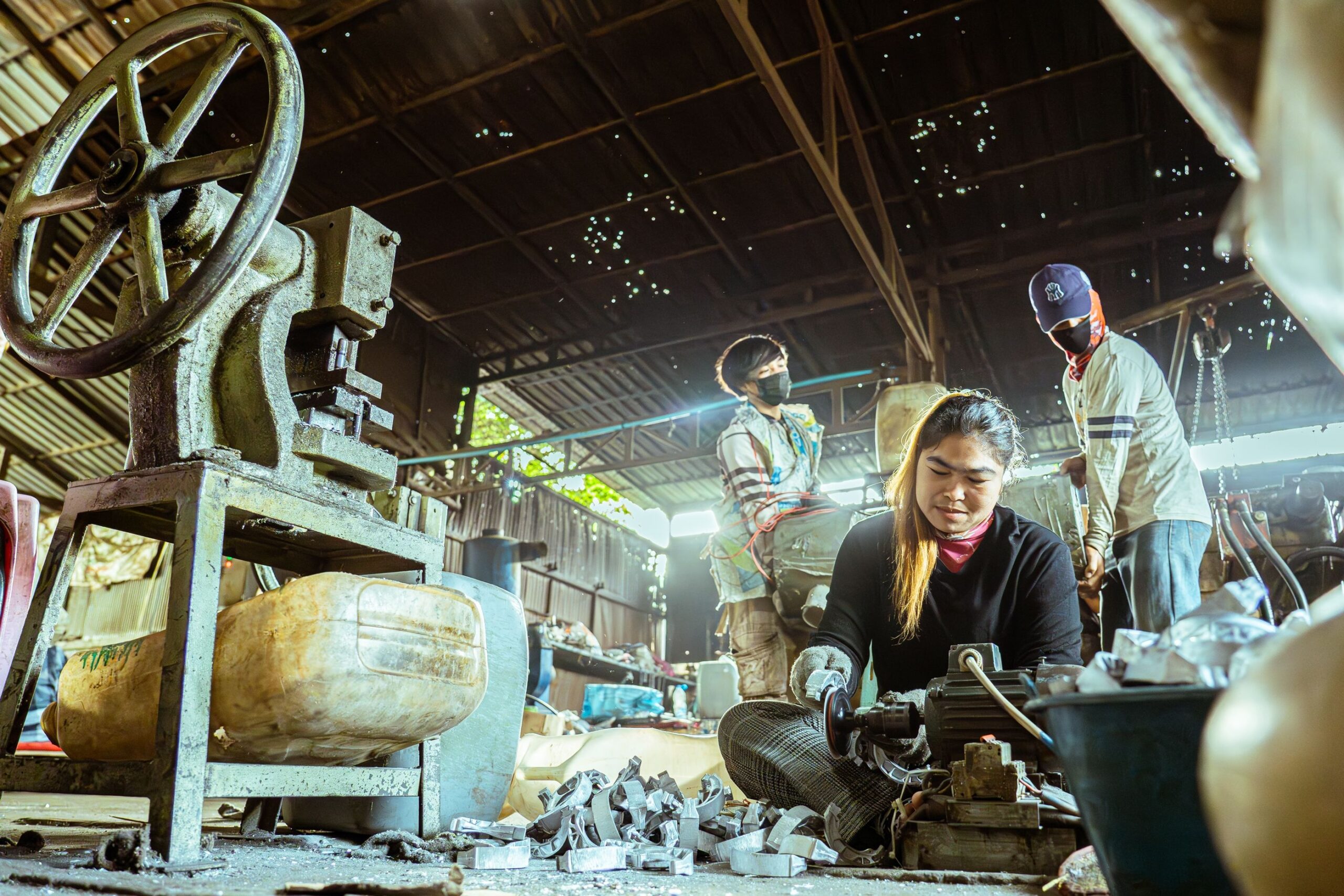
Killing darkness as well as longstanding biphasic sleep patterns became the norm. But was this progress or adaptation? What has been lost?
Do look at other cultures who retain siestas and biphasic midday naps…. Are they happier overall? Less productive perhaps? Unenslaved by the industrial machine, mediterranean societies tend to thrive on being farmers themselves, thereby resisting extrinsic sleep ascriptions.
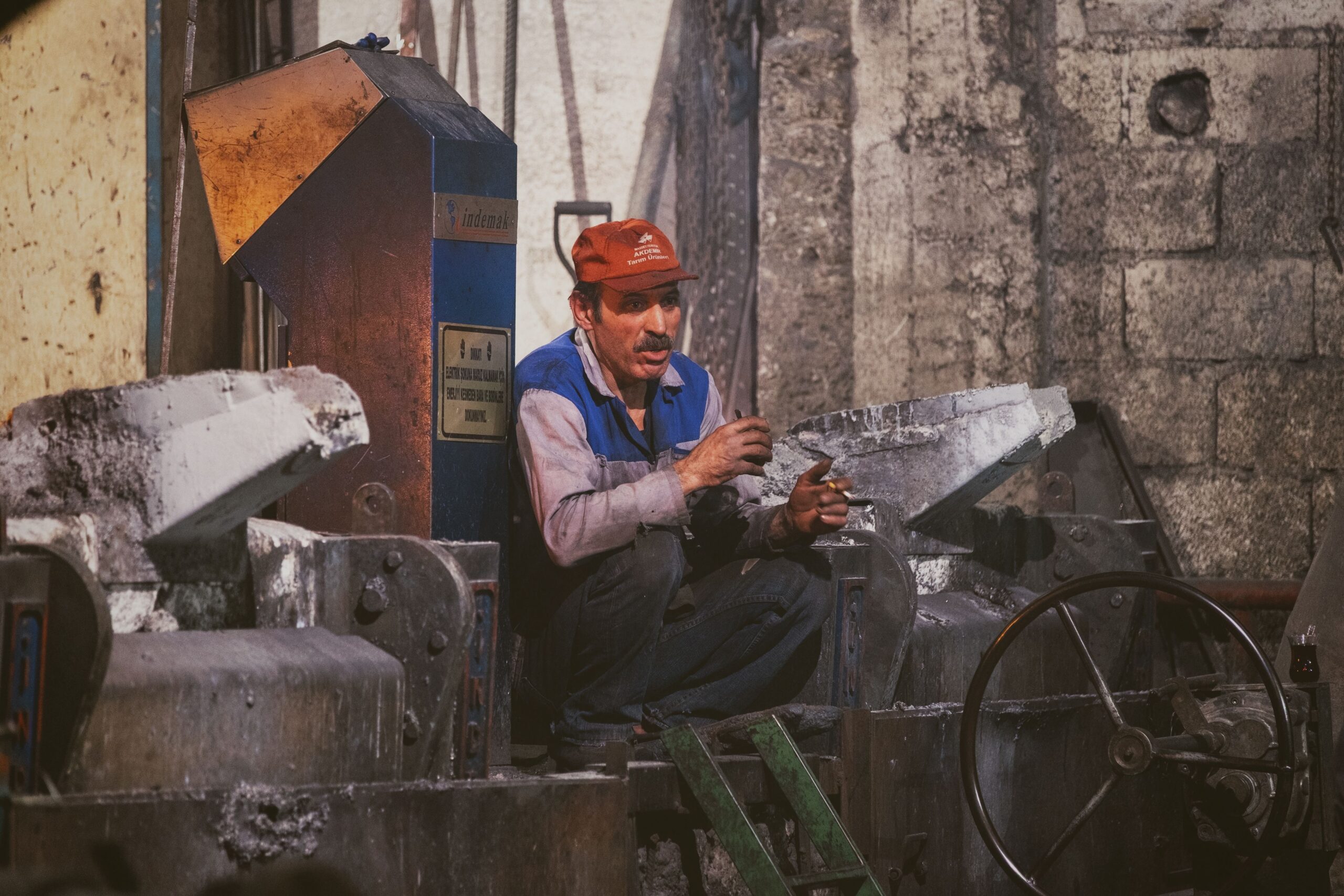
We built a society that punishes sleep, and the cost has been measured in body counts, oil spills, surgical errors. Overworked operators caused both the Chernobyl nuclear power plant disaster and Exxon Valdez meltdown. Just consider all the over-tired doctors and pilots too. Naps should hereby be paid as well as even mandated for certain temporally transcendent vocations.
The segmented sleep pattern ought to be reinstated as a respectable norm.
3. Colonization of the Night
Candles and gas had started the siege of the night. Electricity would finish it.
Slowly over two centuries humanity began dismantling this architecture with tallow to produce candles from animal fat on reed sticks. They extended light through the night to the point that the 1709—candles became taxed. Controlling the dark became a privilege for the rich … but by late 18th century—oil lamps improved. Flame intensity was refined to the point of imitating daylight, thereby making work in the night possible. Everything stayed—open later… mostly men conducting business well into the night…
And so came GAS: the manufactured flame. It cost up to 75% less than candles. Biology dictated a demand for night-living. By 1816, 40,000 gas streetlamps covering streets of London, killing darkness.
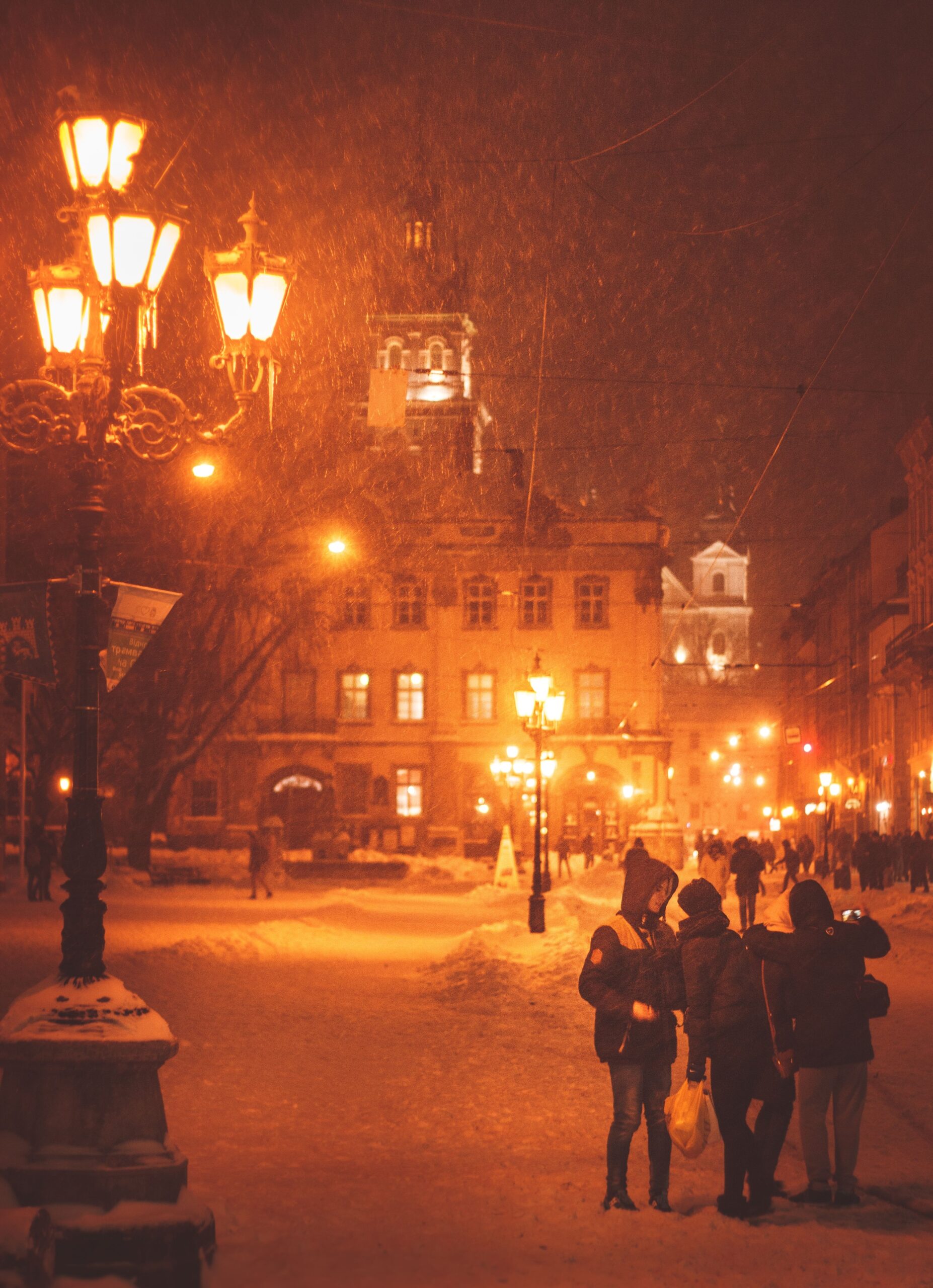
It was a revolution of bright light creating a social and commercial infrastructure: shops extending hours… less running home before dark… entertainment venues colonizing the night. Happening way faster than expected, NIGHTLIFE and evening culture extended productive hours beyond what candlelight ever allowed.
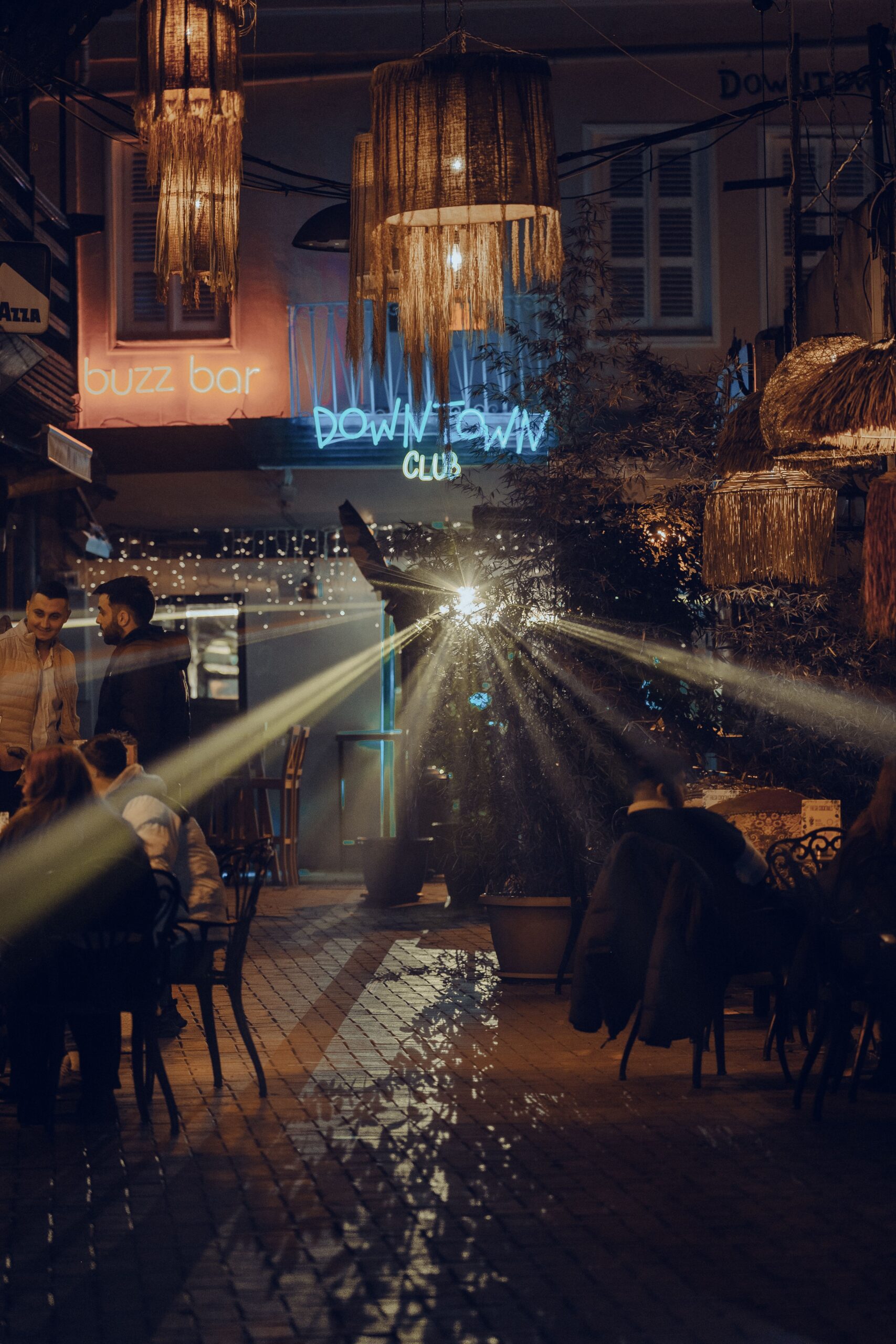
The cultural memory of segmented sleep was erased with new need for Artificial Lighting: oil lamps came first, and then gas lighting. They cheaply made night less dead, and so concurred the pressure to compress sleep. Affording oil lamps meant you could afford simulating daylight.
Oil lamps heretofore generated spaces where men could conduct business well into the night as oil was expensive. The lamps required maintenance and were weak. Therefore, while the majorities went to bed by dusk, the more affluent could afford to colonize the night, spurring on a new social infrastructure that interfered with sleep: genuine nightlife, evening culture, late concerts, and gaslit pubs. Cheaply illuminating the night with gas proceeded, overwhelming the potential to control sleep.
4. Manufactured Sleep = Economic Gain
Artificial lighting significantly extended the productive hours of factories too.
By the Industrial Revolution (1760-1840), factory hours exceeded the median 10 hours to 12-14 hours shifts—even for 5–6-year-old kids. Cotton mills and product facilities rewarded workers for sleeping less and clocking in overtime.
Night was no longer a boundary. Political change occurred to maximize savings on fossil fuels. For example, Daylight Savings (DST) shifted sleep patterns to start and end earlier, thereby perpetuated the illusion of stretched wakefulness for factory workers. It ultimately ensured that more resources be funneled into western military regimes.

Day was orderly: Night was for rest. But from biological standpoint, solid consolidated unconsciousness is NOT optimal. Depending on your lifestyle, biphasic or even Polyphasic sleep patterns that involve taking naps at opportune times throughout the day are best. We must, as a society, reconsider not only Daylight Savings, but the general rigid stigmas surrounding sleep patterns.
Factory whistles and bells continue to dictate how we sleep, but why? We’ve been fighting the dark for so long, but so much beauty and creativity occurs in the night. So why suppress, and submit to such? Even Thomas Edison’s incandescent light (1879) sold a vision to solve sleep and thief of night. Meanwhile, he was napping strategically and intermittently upon even arriving to his era-changing invention of electricity.